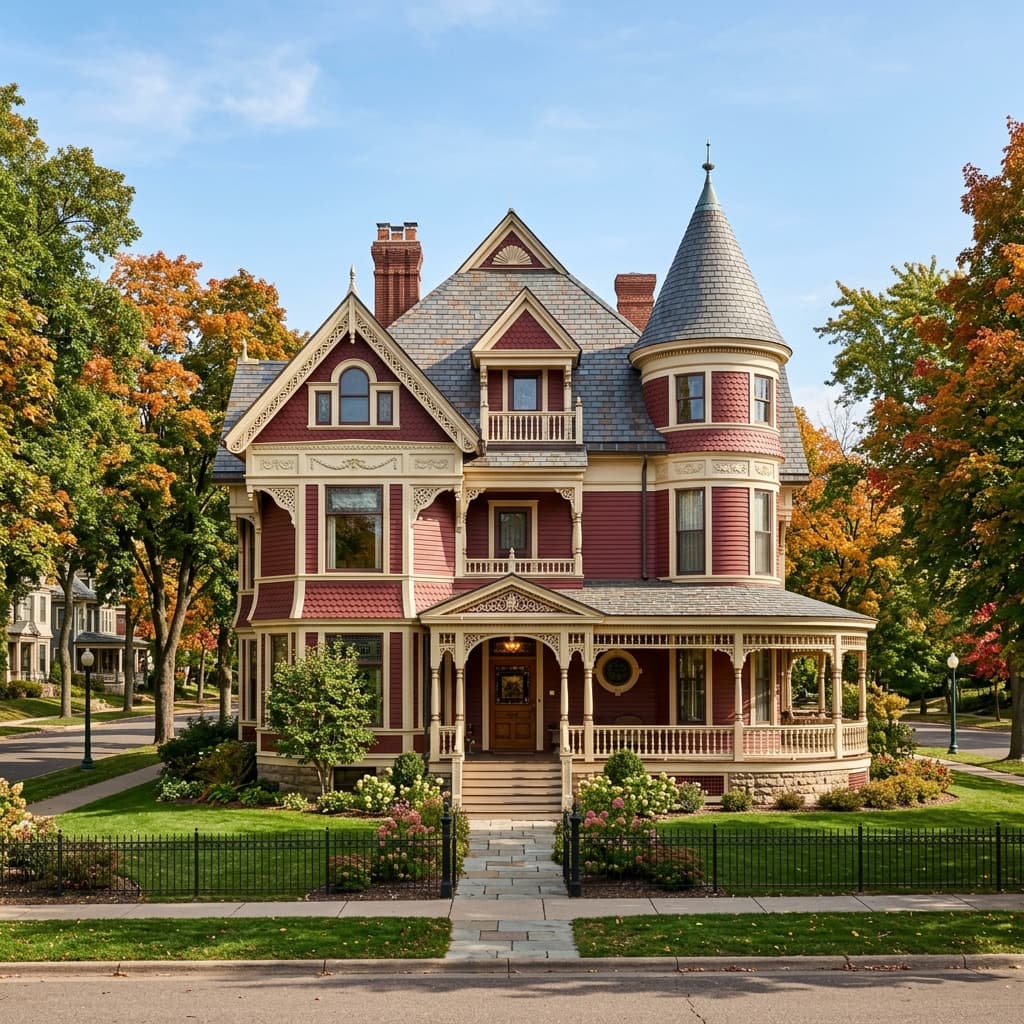
Owning a 100-year-old home
isn't a transaction. It's a stewardship.
You don't just buy square footage — you inherit leaded glass, quarter-sawn oak, gravity boilers, and a century of stories. I introduce you to the structural reality before you fall in love with the romance.
The Historic Districts
Each historic neighborhood in Minneapolis and St. Paul carries a unique architectural lineage. Here is where the craftsmanship lives.
Summit Hill & Crocus Hill
Victorian, Queen Anne, Tudor Revival
Grand avenue estates with cobblestone carriage houses, quarter-sawn oak staircases, and original hand-cut stone masonry.
Kenwood & Tangletown
Craftsman Bungalow, Prairie School, Colonial
Winding parkways, leaded glass built-ins, plaster archways, and homes built around Minneapolis's chain of lakes.
Lowry Hill & Linden Hills
Turn-of-the-Century Brick & Timber
Tree-canopied streets, deep wrap-around porches, pocket doors, and timeless architectural bones minutes from downtown.
“They don't make them like they used to.”
Thank God, right? (Have you ever tried insulating an ice house?)
Jokes aside, you buy an old house for its soul — the creaky maple floors, the leaded glass, the way afternoon light filters through a plaster archway. But you need an agent who knows the exact line between Patina and an Expensive Problem.
I don't just sell you the romance. I introduce you to the structural reality. And if you still fall in love? I'll introduce you to the best slate roofer in the Twin Cities.
Archival Lineage & History
I dig into local archives and historic preservation databases. Who designed it? Who built it? What was the original layout before a 1970s remodel? I help you uncover the true lineage of your home.
The Vetted Artisan Network
You don't call a generic contractor for knob-and-tube wiring or plaster crown molding. I connect you with specialized local artisans — from stained glass conservators to vintage radiator techs.
The ROI of Preservation
Not all updates add equity. I advise on which restorations protect architectural value, and which “modernizations” actually strip character and devalue a historic asset.
The Old House Mechanics Check
Owning a historic home is a privilege, but structural realities require clear eyes before closing.
- Electrical: Knob-and-tube wiring requires specialized inspection & insurance verification.
- Plumbing: Galvanized pipes and original clay sewer stacks need scope checks.
- Windows: Original wood sash windows are historic treasure — storm sash restoration over replacement.
- Heating: Cast-iron radiators heat evenly, but boilers require balanced pressure maintenance.
The Restoration Consult
Thinking of stewarding a historic home? Let's walk through the mechanics and character together before you make an offer.
Talk Historic HomesRead the evidence
An old stain tells me where to look, not what to conclude.
Plaster cracks, attic ventilation, wiring, foundations, and previous repairs all need context. I help you identify the right questions, then qualified inspectors and tradespeople verify the condition before you decide.
Preserving the Legacy
Stewards of historic homes often explore...
I love old houses. I live in one. But I never let a client buy a 100-year-old home without knowing exactly why the basement smells the way it does.— The Inspection Real Talk
QUIET PROOF
The Numbers Behind The Voice
Tools & Guides for Historic Home Buyers
No sales pitches here. Just some honest tools, real data, and practical guides to help you figure out the next steps.