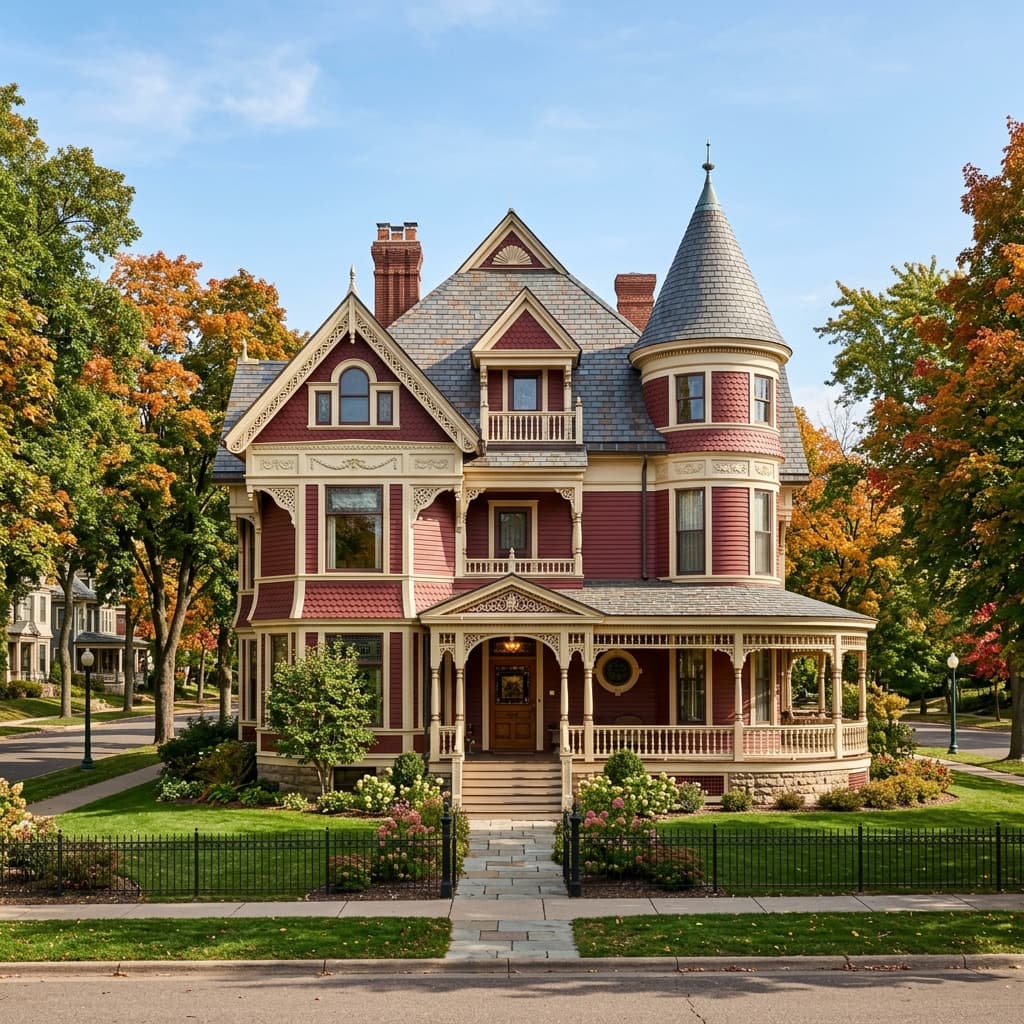
Selling a home you've raised a family in isn't a transaction. It's a transition. Here's how to do it right — with time on your side and equity intact.
The conversation usually starts the same way. Quiet. A little uncertain. Sometimes the adult child calls. Sometimes it's the homeowner themselves. Always the same question underneath: "We think it might be time. But we don't know where to start."
That's the right place to start — with the question, not with a listing agreement.
This isn't a transaction. It's a transition. And the difference between a rushed sale and a well-planned one can mean fifty thousand dollars or more in your pocket instead of left behind.
The Equity Surprise
Here's what most people don't expect. After twenty or thirty years in a home in the western suburbs — Edina, Plymouth, Minnetonka, Wayzata — the equity number is usually shocking. Not because it's bad, but because it's so much more than people think.
If you bought a home in Edina in the late nineteen nineties for two hundred twenty thousand dollars, that home is likely worth six hundred fifty to seven hundred fifty thousand today. Not because you did anything special. Because the market did what it does in desirable areas near a major city — it went up, year after year, compounding quietly while you were living your life.
After thirty years of principal paydown and appreciation, homeowners in the western suburbs are typically sitting on three hundred thousand to four hundred fifty thousand dollars in equity. That's not a theoretical number on a spreadsheet. That's real money that can fund the next chapter — whether that's a senior community, a condo closer to the grandkids, or a one-level townhome without stairs. (Run your net proceeds to see what actually lands in your pocket after costs.)
The mistake most people make: they rush. A health event, a fall, a spouse's hospital stay — suddenly there's pressure to sell fast, and fast sales leave money behind.
The Twelve-to-Eighteen-Month Window
The best senior transitions I've been part of started early. Not because anyone was in a hurry, but because they gave themselves room to do it right.
Here's what that timeline actually looks like:
Months one through three: Have the conversation. Not the one about listing the house — the one about what you actually want next. One level? Closer to a specific doctor? Near family? In a community with meals and maintenance handled? This is the most important part, and it has nothing to do with real estate.
Months four through six: I do the homework so you don't worry about the number. A proper look at what your home is worth in today's market — not a Zillow estimate, but a real comparison against what's actually sold in your neighborhood. We walk through the home together and talk about what to update, what to skip, and what the return on each investment looks like.
Months seven through twelve: Make the updates. Stage the home. List it when the market is right — not when the pressure is highest. In the Twin Cities, March through May is typically the strongest window. But the right time is when the home is ready and the inventory in your neighborhood is low.
Months twelve through eighteen: Close. Move. Settle in. Take a breath.
The clients who follow this timeline consistently walk away with more money and less stress than the ones who list in a panic after a health scare. I've seen the difference hundreds of times. It's not even close.
What to Fix (And What to Skip)
Not every update is worth the investment. Here's the honest breakdown:
Worth the money:
- Interior paint — neutral, clean, bright. Costs two to four thousand, returns six to twelve thousand.
- Carpet — replace worn carpet in main living areas. Costs three to five thousand, returns eight to fifteen thousand.
- Landscaping and curb appeal — first impressions drive offers. Costs two to three thousand, returns five to ten thousand.
- Kitchen refresh — new hardware, maybe countertops if they're dated. Not a full renovation. Costs five to eight thousand, returns twelve to twenty thousand.
Skip it:
- Roof replacement — price the home accordingly instead. Buyers expect to factor this in.
- Major bathroom renovation — a deep clean and new grout go further than a ten-thousand-dollar remodel.
- Window replacement — almost never returns the investment at sale.
- Anything structural — disclose honestly and adjust the price.
The goal isn't a show home. The goal is a home that feels maintained, cared for, and ready for the next owner. That's what buyers in this price range respond to — the sense that the home was loved.
The Emotional Part Nobody Talks About
This is the part that matters most, and the part that doesn't show up on any closing statement.
You're not just selling a house. You're closing the chapter where you raised a family, celebrated holidays, sat on the porch in August, and shoveled the driveway more times than you care to remember. That's real. It deserves to be acknowledged, not rushed past.
I've sat at kitchen tables with clients who couldn't finish a sentence because they were looking at the room where their daughter took her first steps. That's not weakness. That's the whole point of a home.
You can be sad about closing this chapter and still make the right decision about the next one. You can feel the weight of leaving and still be ready to go. We hold both. And the transition out of a home you've loved for thirty years deserves the same care that went into living there.
What I've learned in this work: the clients who handle this transition well give themselves permission to feel it, and then make smart decisions from a place of clarity — not urgency. That's the entire job. Create the conditions for clarity. The numbers take care of themselves when the timeline isn't panicked.
The Western Suburbs: What Your Home Is Actually Worth
Here's what the data is showing for senior-transition homes in the key markets:
| Area | Typical Home | 2026 Median | Equity After 25 years |
|------|-------------|-------------|----------------------|
| Edina | 4BR/3BA, updated | $675,000–$775,000 | $350,000–$450,000 |
| Plymouth | 4BR/3BA, split level | $475,000–$550,000 | $250,000–$350,000 |
| Minnetonka | 4BR/3BA, on a lake | $550,000–$700,000 | $300,000–$400,000 |
| Wayzata | 3BR/2BA, near lake | $500,000–$650,000 | $275,000–$375,000 |
| St. Louis Park | 3BR/2BA, cape cod | $400,000–$475,000 | $200,000–$300,000 |
These are ranges, not promises. A conversation gives you the real number for your specific home. But the point is: the equity is there. You built it by staying. Now it gets to work for you in the next chapter.
Call me when you're ready.
(612) 310-1092
Frequently Asked Questions
When is the right time to sell a home for senior living in Minneapolis?
Ideally, twelve to eighteen months before you need to move. This gives you time to prepare the home for maximum sale price, avoid rushed decisions, and coordinate the transition with your senior living community.
How much equity can I expect from my Twin Cities home after twenty-plus years?
In the western suburbs — Edina, Plymouth, Minnetonka, Wayzata — homeowners who purchased twenty to thirty years ago typically have three hundred thousand to four hundred fifty thousand in equity. A conversation gives you the exact number for your home.
Do I need to update my home before selling for senior living?
Targeted updates — fresh paint, carpet, landscaping, and kitchen refreshes — typically return three to five times their cost. I'll tell you exactly what to invest in and what to skip so you maximize your return without over-improving.
Next Steps
What to do next