Vintage and original mean nothing has been replaced. On woodwork, that's a gift. On a kitchen, a bathroom, or wiring, it's a line item with your name on it.
"Original hardwood floors" — great. "Original woodwork" — even better. Then the same word shows up next to the kitchen, and the meaning quietly changes teams.
What do "vintage" and "original" mean in real estate?
Vintage and original mean nothing has been replaced. On woodwork, that's a gift. On a kitchen, a bathroom, or wiring, it's a line item with your name on it.
The words it travels with
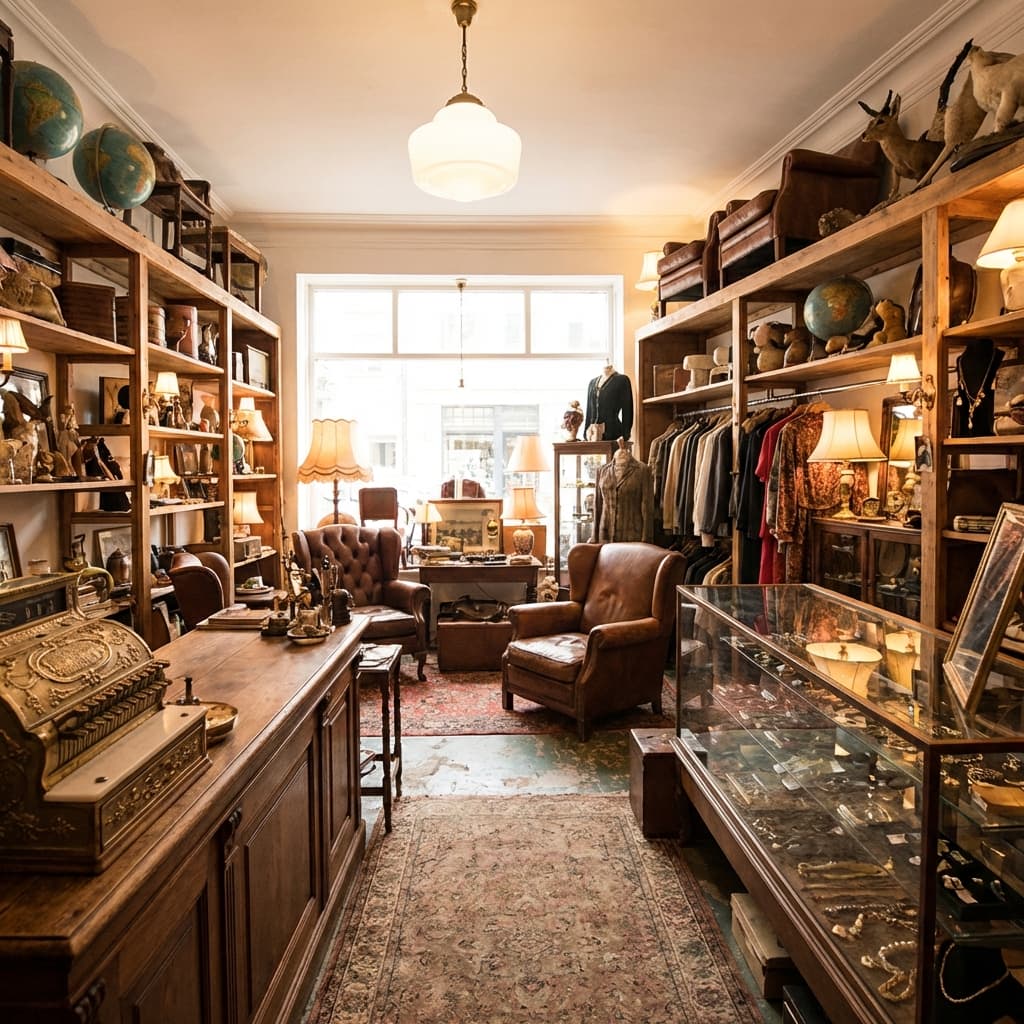
"Vintage charm," "period bath," "retro kitchen." The tell is which room gets the word. Floors and trim age into value. Kitchens, baths, and mechanicals age into estimates. A "vintage bath" in a 1940s Minneapolis house often means original tile — sometimes lovely, sometimes hiding original plumbing behind it.
What to do about it
Sort every "original" in the listing into two columns: keeps and replaces. Then ask directly about the ones the listing skipped — wiring, plumbing supply lines, sewer. Knob-and-tube wiring is "original" too, and some insurers in Minnesota won't touch it until it's gone.
The honest trade-off
Original details are the reason old Minneapolis houses out-charm anything built since. You genuinely can't buy that trim anymore. Pay for the woodwork happily — just make sure you're not also paying woodwork prices for a 1962 furnace.
Before you tour it, run the listing through my Rosetta Stone — the honest translation, the risk score, and the question to ask at the showing.